Aircraft Metallic Structure: Manufacturing, Assembly, Inspection, Damage Assessment and Repair, Sheetmetal Level 3
Sheet Metal Level 3, Advanced Sheet Metal, ATC2134 Part 3
Meets EASA, FAA and OEM SRM Standards
Course ID:
ATS2133
Level:
Level 3 / Advanced
Duration:
15 days
Total Hours:
120 hrs
Classroom
18h
Practical
102h
Online
no info
Login
or
for pricing
Upcoming Training Schedules
View upcoming training sessions for this course. Contact us to reserve your spot!
Status:
Planned
Open
Full
📅
Interested in attending?
Click on any training event above to open the request form with the date automatically filled!
Course Gallery
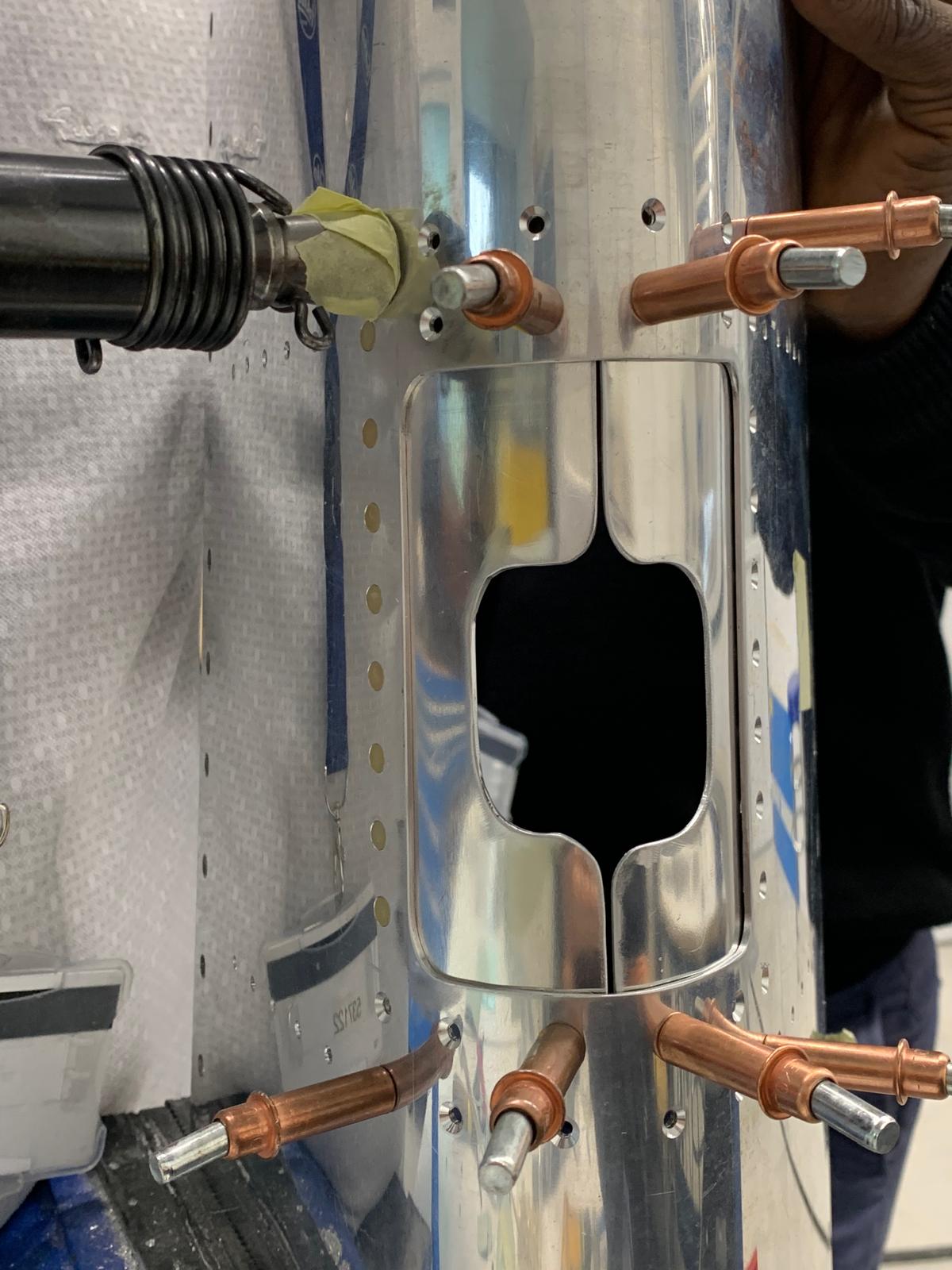
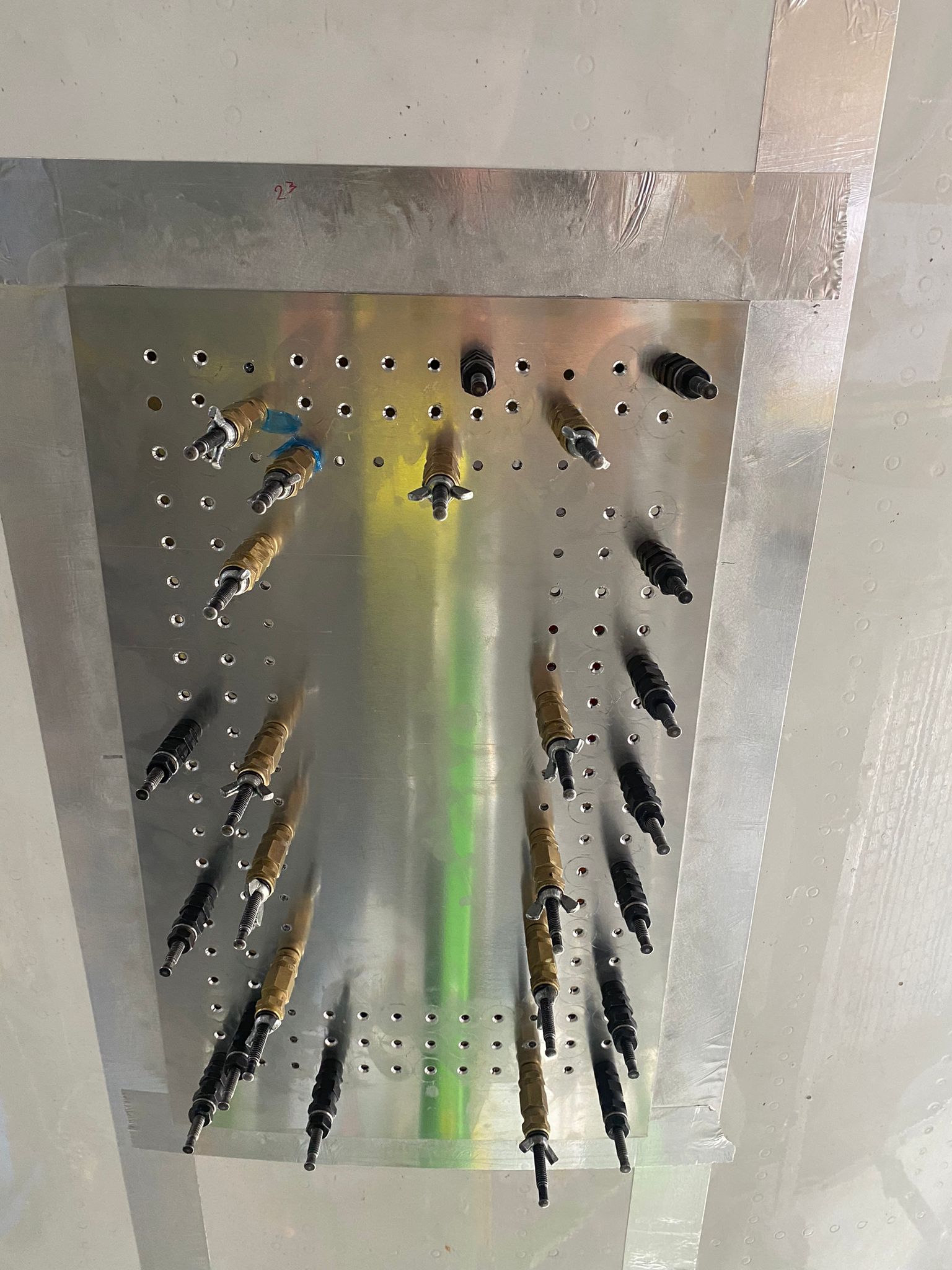
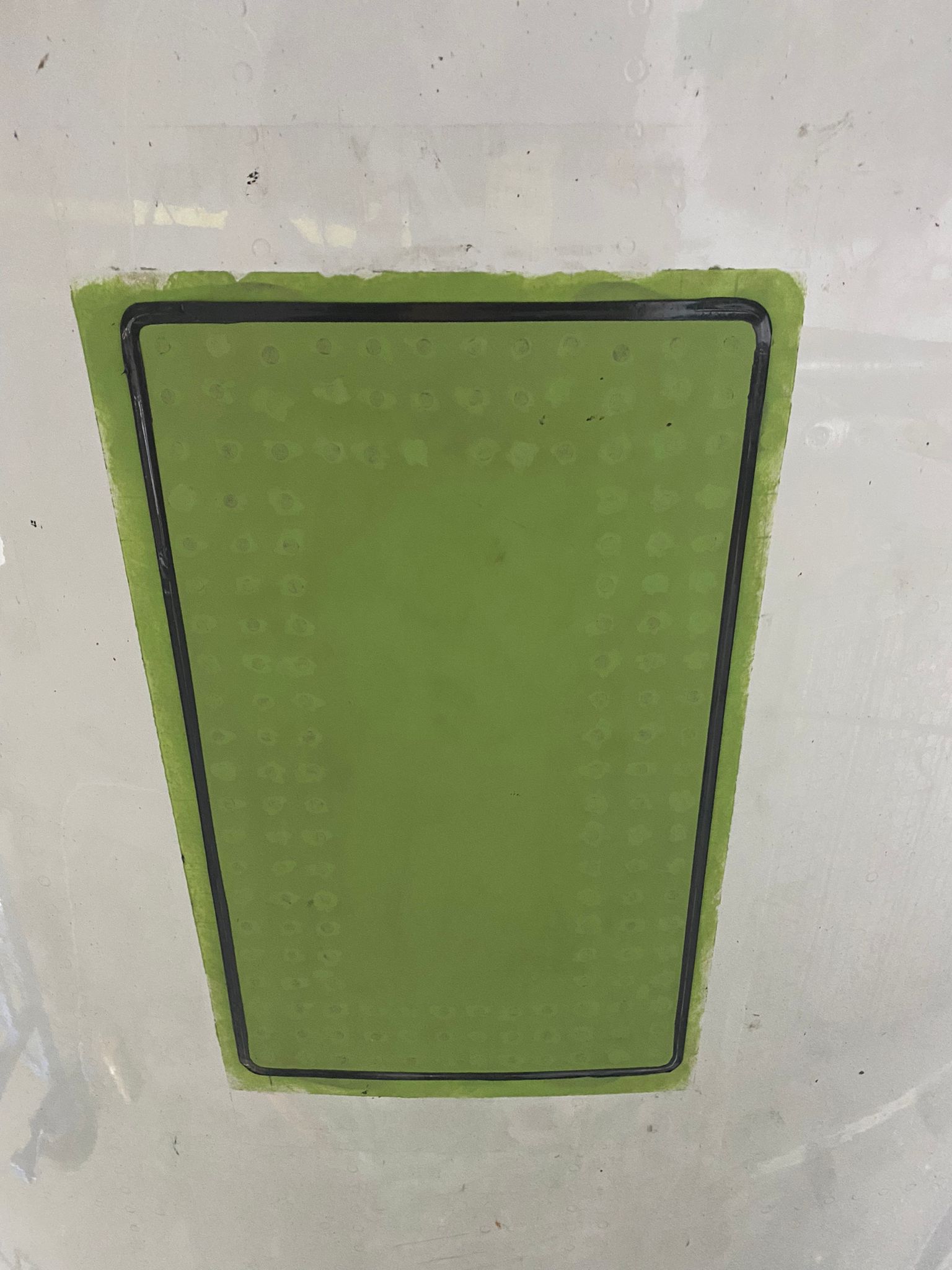
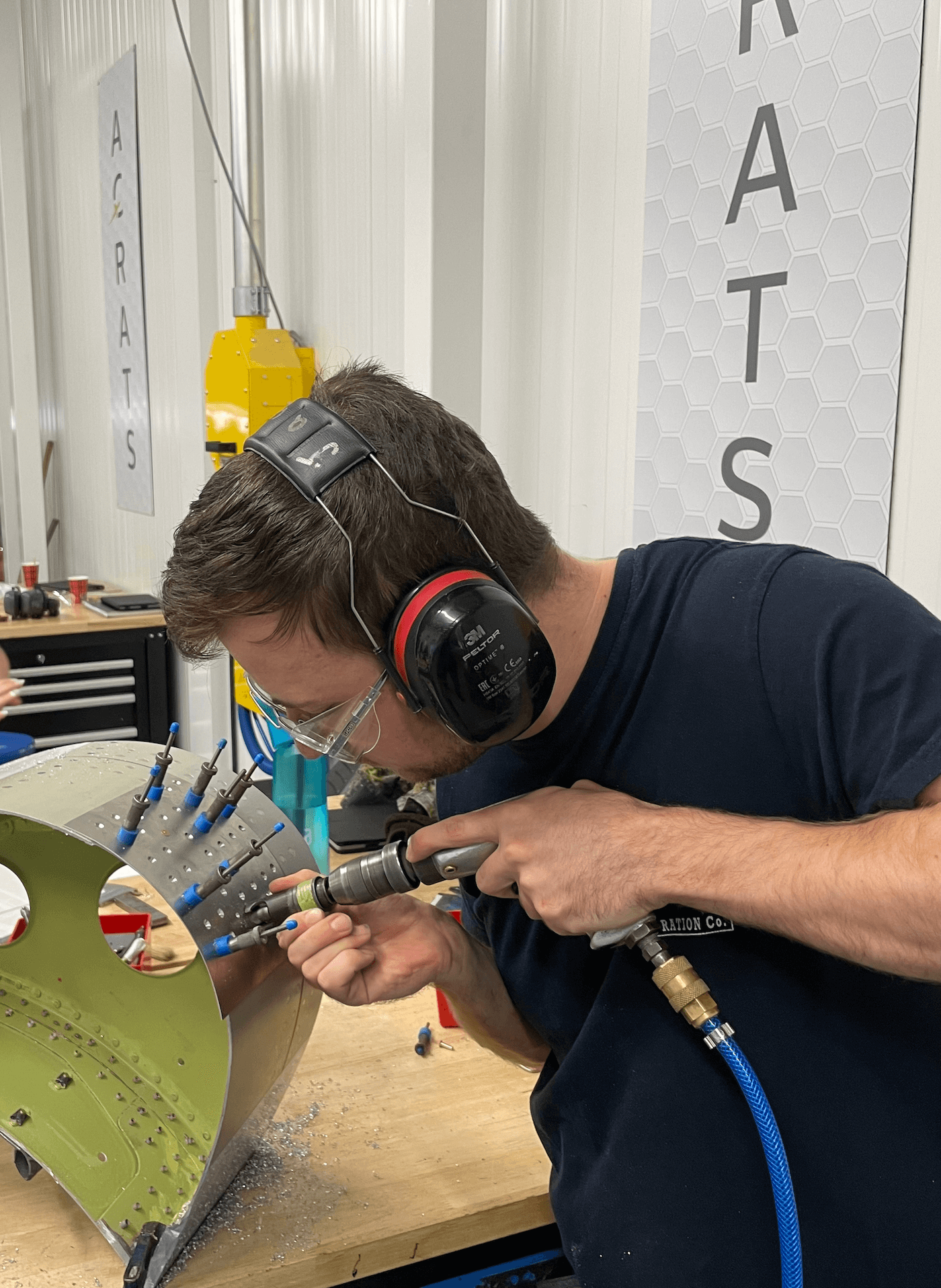
For Whom
This course is tailored for sheet metal technicians aiming to advance their skills in aircraft structure fabrication, inspection, and repair.
Prerequisites
Aircraft Metallic Structure: Manufacturing, Assembly, Inspection, Damage Assessment and Repair Level 2 (or similar)
Scope and Purpose
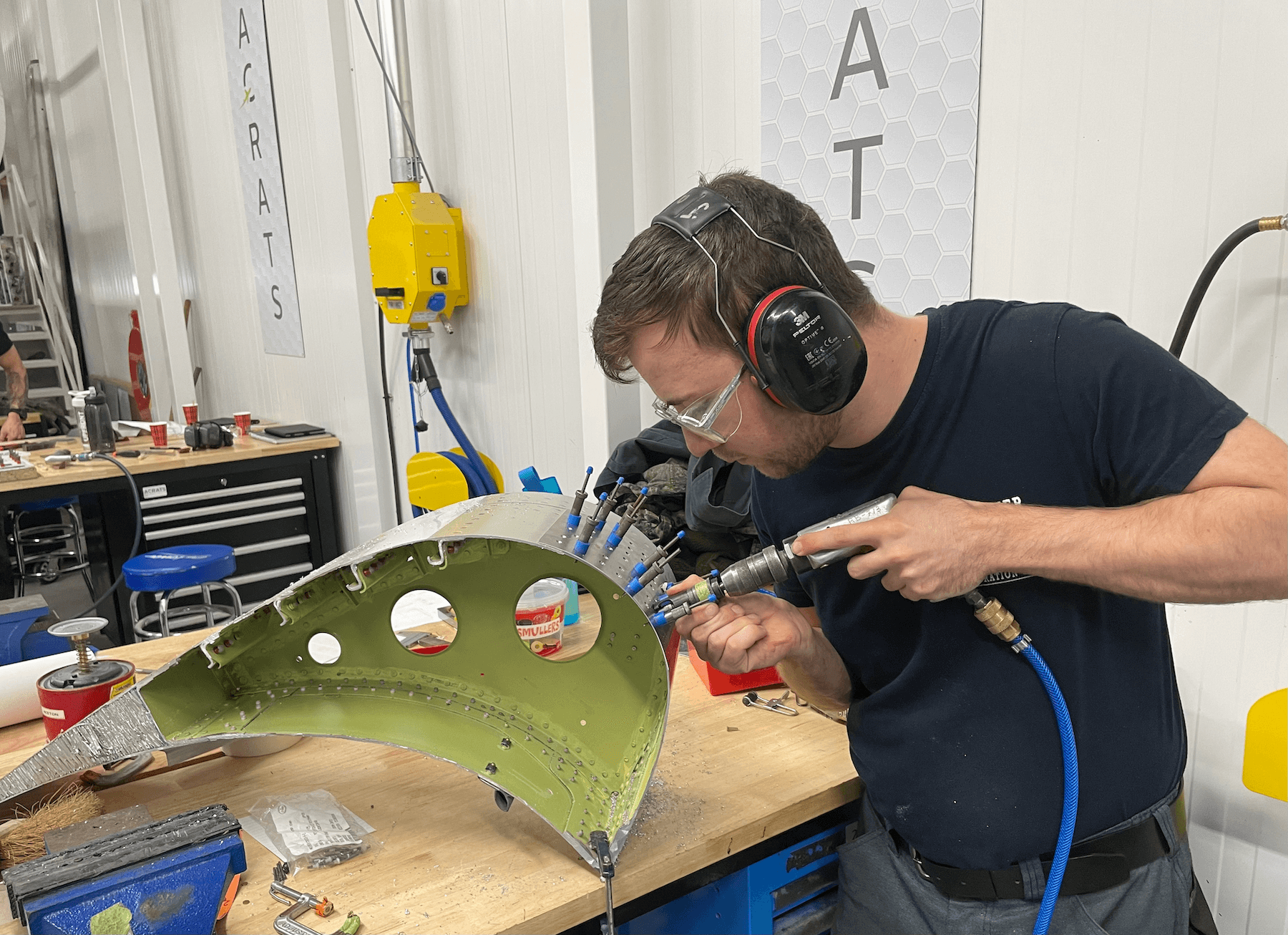
The Level 3 Aircraft Sheetmetal Training Course builds on foundational and intermediate skills, providing advanced knowledge and practical expertise in aircraft sheet metal maintenance and repair. This course is designed to deepen participants' understanding of complex repair procedures, ensuring they can perform detailed tasks with precision and follow strict industry standards. Participants will engage in hands-on training, practical exercises, and detailed theoretical lessons covering various aspects of aircraft maintenance, from damage assessment to advanced repair techniques, including dent and buckle inspections.
Course Includes
* 90 Practical Hours
* 30 Theoretical Hours
* Theoretical Assignments
* Practical Assessments
* Personal Protection Equipment
* Access to the ACRATS E-learning Platform
* Task Logbook
* Certificate of Achievement
* 30 Theoretical Hours
* Theoretical Assignments
* Practical Assessments
* Personal Protection Equipment
* Access to the ACRATS E-learning Platform
* Task Logbook
* Certificate of Achievement
Selection Learning Goals
* Understand and explain the properties and applications of various metallic materials used in aircraft structures, including heat treatment of aluminum alloys and corrosion removal for titanium, steel, and other materials
* Perform advanced metal forming and machining operations, including using the English Wheel, shrinking and stretching techniques, and reverse countersinking
* Execute advanced structural repair techniques, including damage assessment, repair proposal development, damage removal, and post-repair inspections to ensure compliance with OEM standards
* Conduct thorough inspections and repairs on enclosed leading edge flush areas, from damage assessment to quality control, ensuring repairs are OEM audit-ready
* Execute aircraft skin replacement procedures, including assessment, preparation, fitment, alignment, fastener installation, and quality control to maintain structural integrity and aerodynamic efficiency
* Perform complex repairs on external aircraft skin, from damage assessment and removal to repair part fabrication, assembly, and post-repair inspections
* Utilize various sources of documentation, including material specifications, regulatory documents, engineering orders, drawing systems, and vendor manuals, effectively in aircraft maintenance and repair
* Conduct thorough inspections and accurately assess damage in aircraft structures, understanding the implications of, for example, missing or loose fasteners and performing damage tolerance inspections
* Identify, assess, and document dents and buckles on aircraft sheet metal structures, ensuring compliance with airworthiness regulations and maintaining accurate damage records
* Apply, remove, and repair sealant for fuel tanks, identifying areas requiring sealing, selecting appropriate sealant sources, and adhering to safety precautions during repair procedures
* Perform rotary flap peening on aircraft metallic parts, understanding the techniques, safety considerations, and quality assurance standards, and maintaining accurate documentation and traceability
* Perform advanced metal forming and machining operations, including using the English Wheel, shrinking and stretching techniques, and reverse countersinking
* Execute advanced structural repair techniques, including damage assessment, repair proposal development, damage removal, and post-repair inspections to ensure compliance with OEM standards
* Conduct thorough inspections and repairs on enclosed leading edge flush areas, from damage assessment to quality control, ensuring repairs are OEM audit-ready
* Execute aircraft skin replacement procedures, including assessment, preparation, fitment, alignment, fastener installation, and quality control to maintain structural integrity and aerodynamic efficiency
* Perform complex repairs on external aircraft skin, from damage assessment and removal to repair part fabrication, assembly, and post-repair inspections
* Utilize various sources of documentation, including material specifications, regulatory documents, engineering orders, drawing systems, and vendor manuals, effectively in aircraft maintenance and repair
* Conduct thorough inspections and accurately assess damage in aircraft structures, understanding the implications of, for example, missing or loose fasteners and performing damage tolerance inspections
* Identify, assess, and document dents and buckles on aircraft sheet metal structures, ensuring compliance with airworthiness regulations and maintaining accurate damage records
* Apply, remove, and repair sealant for fuel tanks, identifying areas requiring sealing, selecting appropriate sealant sources, and adhering to safety precautions during repair procedures
* Perform rotary flap peening on aircraft metallic parts, understanding the techniques, safety considerations, and quality assurance standards, and maintaining accurate documentation and traceability
Additional Information
Standards
Meets EASA, FAA and OEM SRM Standards
Modules & Topics
| Module & Hours | Title & Description |
|---|---|
|
Module 1
Class: 0.50h
|
Introduction
Level:
1
In Module 1, you'll deepen your understanding of the roles and responsibilities of a sheet metal worker before, during, and after aircraft maintenance. You'll learn what's expected in terms of restoring the integrity of aircraft structures responsibly. This module will cover the personal and professional requirements regarding attitude, behavior, and professionalism. Additionally, you'll identify potential health and safety hazards, learn how to select and use proper personal protective equipment (PPE), and understand key concepts related to FOD (Foreign Object Debris) prevention, human factors, quality awareness, traceability, and maintaining order and tidiness in the sheet metal shop.
Topics:
•
* 1. Course Introduction
•
* 2. Health, Safety and Environmental Precautions
•
a. Fumes, Vapor and Dust
•
b. Safety Data Sheets (SDS)
•
c. Personal Protective Equipment (PPE)
•
* 3. FOD Awareness & Prevention
•
* 4. Human Factors in Aircraft Maintenance
•
* 5. Quality Awareness
•
* 6. Traceability Awareness
•
* 7. Order and Tidiness in the Sheetmetal Shop (ACRATS Training-/House Rules)
|
|
Module 2
Class: 2.00h
|
Metallic Materials Part 2
Level:
1
In Module 2, you'll deepen your understanding of the properties and applications of various metallic materials used in aircraft structures. You'll explore aluminum alloys in detail, including the heat treatment process, equipment requirements, and verification techniques such as hardness testing and conductivity measurement. Additionally, you'll learn about the properties and maintenance procedures for titanium and titanium alloys, as well as steel, stainless steel, cadmium-plated parts, and carbon steel. This module will also cover corrosion removal procedures and repair techniques tailored to each material type, ensuring you can maintain the integrity of these materials in aircraft applications.
Topics:
•
* 1. Introduction
•
* 2. Identification of Metals
•
* 3. Heat Treatment of Aluminum Alloys
•
a. Purpose
•
b. Requirements
•
c. Equipment
•
d. Process and Procedure
•
e. Conditions
•
f. Heat Treat Verification
•
g. Hardness Testing
•
h. Conductivity
•
* 4. Titanium and Titanium Alloys
•
a. Corrosion Removal Procedure for Titanium Alloys
•
b. Titanium Repair
•
c. Application of Protective Treatment
•
* 5. Steel and Stainless Steel
•
a. Corrosion Removal Procedure for Steel and Stainless Steel
•
b. Steel and Stainless Steel (CRES) Repair
•
c. Application of Protective Treatment
•
* 6. Corrosion Removal Procedures for Cadmium Plated Parts
•
* 7. Corrosion Removal Procedures for Carbon Steel
|
|
Module 3
Class: 2.00h
|
Metal Forming- and Machining Operations (including Tooling and Equipment) Part 3
Level:
2
In Module 3, you'll develop excellence in machining and forming sheet metal parts, including the operation of less commonly used tooling and equipment such as the English Wheel for shaping metal panels with precision, and master methods like shrinking and stretching to manipulate sheet metal to desired shapes and dimensions effectively. Additionally, you'll become adept at performing reverse countersinking operations, enabling you to create recessed holes with precision and accuracy.
Topics:
•
* 1. Introduction
•
* 2. English Wheel
•
* 3. Shrinking and Stretching
•
* 4. Reverse Countersinking
|
|
Module 4
Class: 2.00h
|
Structural Repair Part 3
Level:
2
In Module 4, you'll develop expertise in advanced structural repair techniques for aircraft components. You'll learn to apply specialized terms and abbreviations related to aircraft structure and repair, enhancing your understanding of repair documentation and procedures. Through practical exercises and demonstrations, you'll become skilled in using equipment and tools required for repair operations, including repair washers in dimples and countersinks. Additionally, you'll gain insight into standard and specific repairs outlined in the Structural Repair Manual (SRM) and procedures for repairs beyond the SRM. Furthermore, you'll explore concepts such as aerodynamics, aerodynamic smoothness, and material selection to ensure repairs meet regulatory standards and maintain aircraft performance. You'll also learn about the approval process for repairs, including procedures for skin waviness measurement and reverse engineering techniques. Lastly, you'll understand the importance of data recording for allowable damage and repair, ensuring comprehensive documentation of repair activities.
Topics:
•
* 1. Apply specialized terms and abbreviations related to aircraft structure and repair to enhance understanding of repair documentation and procedures.
•
* 2. Use equipment and tools required for advanced repair operations, including repair washers in dimples and countersinks.
•
* 3. Perform standard and specific repairs as outlined in the Structural Repair Manual (SRM) and handle repairs beyond the SRM.
•
* 4. Understand aerodynamics, aerodynamic smoothness, and material selection to ensure repairs meet regulatory standards and maintain aircraft performance.
•
* 5. Navigate the approval process for repairs, including procedures for skin waviness measurement and reverse engineering techniques.
•
* 6. Record data for allowable damage and repair, ensuring comprehensive documentation of repair activities.
|
|
Module 5
Class: 1.50h
Practical: 24.00h
|
Enclosed Leading Edge Flush Repair
Level:
3
In Module 5, you'll learn to proficiently execute enclosed leading-edge flush repair procedures, ensuring structural integrity, aerodynamic performance, and compliance with OEM standards. You'll gain a comprehensive understanding of the entire process, from initial assessment and preparation to final quality control checks and post-repair inspections. You'll be able to accurately assess damage, develop detailed repair proposals according to SRM guidelines, and select appropriate materials for the fabrication of repair parts. Additionally, you'll understand the importance of alignment confirmation and adherence to safety protocols throughout the repair process, ensuring that all repairs are OEM audit-ready.
Topics:
•
* 1. Introduction
•
* 2. English Wheel
•
* 3. Shrinking and Stretching
•
* 4. Reverse Countersinking
|
|
Module 6
Practical: 24.00h
|
Skin Replacement
Level:
3
In Module 6, you'll learn to effectively execute aircraft skin replacement procedures, ensuring structural integrity and aerodynamic efficiency. You'll gain a comprehensive understanding of the entire process, from initial assessment and preparation to final quality control checks. You'll be able to accurately assess damage, select appropriate materials, and perform precise fitment and alignment of replacement skin. Additionally, you'll understand the importance of dimensional integrity verification, alignment confirmation, and adherence to safety protocols throughout the repair process.
Topics:
•
* 1. Assessment and Preparation
•
* 2. Structural Bracing (Bucking/Backing Support)
•
* 3. Dimensional Integrity Verification (Alignment Confirmation)
•
* 4. Fastener Removal
•
* 5. Fitment and Alignment of the New Skin
•
* 6. Old Skin-Based Hole Template Utilization
•
* 7. Drilling of Holes in the New Skin
•
* 8. Fitting and Trimming
•
* 9. Fastener Installation
•
* 10. Quality Control – Dimensional Integrity Verification (Alignment Confirmation)
•
* 11. Quality Control
|
|
Module 7
Class: 1.00h
Practical: 24.00h
|
Circumferential Butt Joint − External Skin Repair
Level:
3
In Module 7, you'll develop the ability to understand and execute complex repairs, such as circumferential butt joint repairs on external aircraft skin. Through comprehensive understanding and practical application, you'll learn to assess damage to external skin, including determining the extent of damage, mapping damaged areas, and establishing allowable damage limits. You'll gain proficiency in selecting appropriate repair methods based on damage assessment results. Additionally, you'll acquire skills in damage removal techniques, fabrication of repair parts, and assembly of repair components. Lastly, you'll understand the importance of post-repair inspection procedures to ensure the structural integrity and airworthiness of repaired circumferential butt joints.
Topics:
•
* 1. Damage Assessment
•
a. Damage Determination
•
b. Damage Mapping
•
c. Allowable Damage Limits
•
d. Repair Method Selection
•
* 2. Damage Removal
•
* 3. Fabrication of Repair Parts
•
* 4. Repair Part Assembly
•
* 5. Post-Repair Inspection
|
|
Module 8
Class: 2.00h
|
Source Documentation Part 3
Level:
1
In Module 8, you'll learn to comprehend and effectively use various sources of documentation pertinent to aircraft maintenance and repair. This includes understanding material specifications (including AMS codification), regulatory documentation, engineering orders, drawing systems, and vendor manuals. You'll also learn to use the Structural Repair Manual Inspections (SRMI) to ensure that all maintenance and repair activities are thoroughly documented and compliant with industry standards.
Topics:
•
* 1. Material Specification (Including AMS Codification)
•
* 2. Regulatory Documentation
•
* 3. Engineering Orders
•
* 4. Drawing Systems
•
* 5. Vendor Manual
•
* 6. Structural Repair Manual Inspections (SRMI)
|
|
Module 9
Class: 1.00h
|
Inspection and Damage Assessment Part 2
Level:
2
In Module 9, you'll develop the necessary skills and knowledge to conduct thorough inspections and accurately assess damage in aircraft structures. You'll master detailed inspection procedures, understand the implications of aircraft operation with missing or loose fasteners, and conduct damage tolerance inspections for repairs. Additionally, you'll learn to effectively utilize the Structural Repair Manual Inspections (SRMI) guidelines to ensure all maintenance and repair activities are fully compliant with industry standards.
Topics:
•
* 1. Detailed Inspection Procedures
•
* 2. Airplane Operation with Missing or Loose Fasteners
•
* 3. Damage Tolerance Inspection for Repairs
•
* 4. Structural Repair Manual Inspections (SRMI)
|
|
Module 10
Class: 1.00h
Practical: 4.00h
|
Dent and Buckle Inspection
Level:
3
In Module 10, you'll learn the principles of dent and buckle inspection techniques, focusing on the recognition, assessment, and documentation of damage on aircraft sheet metal structures. This module is designed to ensure compliance with airworthiness regulations and effective management of aircraft damage records. You'll develop the skills to identify and assess various types of dents and buckles, understanding their implications on structural integrity and aerodynamic performance. Through practical exercises, you'll gain hands-on experience in conducting thorough inspections, using visual and non-destructive testing (NDT) methods, and interpreting detailed damage reports. Additionally, you'll learn to document inspection findings accurately, adhering to regulatory standards and OEM requirements, to ensure comprehensive and compliant record-keeping.
Topics:
•
* 1. Introduction to Dent and Buckle Inspection
•
a. Overview of Dent and Buckle Inspection on Aircraft Sheet Metal Structures
•
b. Importance of Dent and Buckle Inspection for Ensuring Structural Integrity and Aerodynamic Performance
•
c. Introduction to Dent and Buckle Inspection Techniques and Tools
•
* 2. Principles of Dent and Buckle Identification
•
a. Characteristics and Manifestations on Sheet Metal Surfaces
•
b. Identification of Different Types of Dents and Buckles
•
c. Techniques for Accurately Assessing the Severity and Extent of Damage
•
* 3. Inspection Procedures for Dent and Buckle Damage
•
a. Step-by-Step Procedures for Conducting Dent and Buckle Inspections on Aircraft Sheet Metal Components
•
b. Use of Visual Inspection and Non-Destructive Testing (NDT) Methods
•
c. Recording Dent and Buckle Inspection Findings
•
* 4. Interpretation of Dent and Buckle Reports
•
a. Analysis of Dent and Buckle Reports, Including Damage Descriptions, Locations, and Repair Statuses
•
b. Repair Categories, Life Limits, and Pending Categories
•
c. Quality Control and Assurance in Dent and Buckle Inspection
•
d. Post-Repair Inspection Procedures for Verifying the Quality and Integrity of Repairs
•
e. Compliance with Regulatory Standards and OEM Requirements
•
f. Documentation and Correct Reporting
•
* 5. Practical Application
•
a. Hands-On Training in Dent and Buckle Inspection Techniques (Simulation of Scenarios to Practice Dent and Buckle Identification and Assessment)
|
|
Module 11
Class: 1.00h
Practical: 24.00h
|
Forward/Aft Cargo Door Surround Edge Repair
Level:
3
In Module 11, you'll develop the practical skills required for executing complex repairs, such as the forward/aft cargo door surround edge repair. This module involves learning to access the damaged area, remove necessary fasteners, and cut and remove damaged fuselage skin. You'll gain expertise in fabricating and assembling repair parts, drilling necessary fastener holes, and disassembling repair parts for chemical conversion coating. Additionally, you'll learn to fabricate countersink repair washers, install repair parts with sealant, and apply fillet seal to ensure structural integrity and compliance with OEM standards. The module will also cover post-repair inspection and quality control procedures to verify that the repair meets all required standards.
Topics:
•
* 1. Verifying Applicability
•
* 2. Instructions for a Category B Repair
•
* 3. Repair Instructions
•
a. Access the Damaged Area
•
b. Remove Necessary Fasteners
•
c. Cut and Remove Damaged Fuselage Skin
•
d. Fabricate Repair Parts
•
e. Assemble Repair Parts
•
f. Drill Necessary Fastener Holes
•
g. Disassemble Repair Parts
•
h. Apply Chemical Conversion Coating
•
i. Fabricate Countersink Repair Washers
•
j. Install Countersink Repair Washers with Sealant
•
k. Apply Chemical Conversion Coating and Primer to Repair Parts and Bare Surfaces
•
l. Install Repair Parts with Sealant
•
m. Apply Fillet Seal to Repair Parts
•
* 4. Post Repair Inspection and Quality Control
|
|
Module 12
Class: 1.00h
Practical: 2.00h
|
Sealant Application, Removal and Repair Fuel Tank
Level:
3
In Module 12, you'll gain proficiency in sealant application, removal, and repair techniques specifically for fuel tanks. You'll learn to identify the areas of the aircraft that require sealing and select the appropriate sealant materials. You'll understand the importance of thoroughly cleaning repair areas before applying sealant and develop the skills to apply sealant properly to ensure effective and durable sealing. Additionally, you'll learn to safely perform repairs on fuel tank sealing while adhering to both general and specific safety precautions to mitigate risks associated with fuel tank maintenance.
Topics:
•
* 1. Introduction
•
* 2. Areas of the Aircraft and Applicable Sealing
•
* 3. Source of Fuel Tank Leakage
•
* 4. Sealing Application
•
* 5. Repair of Fuel Tank Sealing
•
a. Safety Precautions – General
•
b. Safety Precautions – Specific
•
c. Cleaning the Repair Area
|
|
Module 13
Class: 1.00h
Practical: 2.00h
|
Rotary Flap Peening of Aircraft Metallic Parts
Level:
3
In Module 13, you'll acquire the knowledge and skills necessary to perform rotary flap peening on aircraft metallic parts. You'll understand the purpose, techniques, and safety considerations involved in flap peening operations. You'll learn to identify damage, select appropriate metallic materials, and execute flap peening procedures effectively. By the end of the training, you'll be proficient in performing flap peening treatments while adhering to quality assurance standards and maintaining accurate documentation and traceability throughout the process.
Topics:
•
* 1. Introduction to Flap Peening
•
* 2. Shot Peening vs. Flap Peening
•
* 3. Tooling, Equipment & Consumables
•
* 4. Safety Precautions
•
* 5. Source Documentation
•
* 6. Aircraft Metallic Materials
•
* 7. Damages
•
* 8. Damage Rework
•
* 9. Flap Peening Test Procedures
•
* 10. Flap Peening Procedures
•
* 11. Surface Treatment
•
* 12. Quality Assurance
•
* 13. Reporting and Traceability
|
|
Module 14
Practical: 0.00h
|
Practical Exercises
Practical exercises are given in module 5, 6, 7, 10, 11, 12 & 13
|
|
Module 15
|
Assessment Criteria
✓
Participants demonstrate the ability to describe the roles and responsibilities of a sheet metal worker in aircraft maintenance, including pre-, during, and post-maintenance tasks, as well as understanding the importance of professionalism, attitude, and safety.
✓
Participants exhibit knowledge of health, safety, and environmental precautions in aircraft maintenance, including identifying potential hazards, selecting proper personal protective equipment (PPE), and interpreting safety data sheets (SDS).
✓
Participants display proficiency in understanding the properties and applications of various metallic materials used in aircraft structures, including aluminum alloys, titanium, steel, and stainless steel, and demonstrate the ability to apply appropriate repair procedures for each material type.
✓
Participants demonstrate excellence in machining and forming sheet metal parts, utilizing techniques such as the English Wheel, shrinking, stretching, and reverse countersinking with precision and accuracy.
✓
Participants develop proficiency in advanced structural repair techniques, including understanding specialized terms, selecting proper equipment and tools, executing repairs according to SRM guidelines, and ensuring repairs meet regulatory standards and maintain aircraft performance.
✓
Participants are able to proficiently execute complex repair procedures, such as enclosed leading edge flush repair, skin replacement, circumferential butt joint repair, dent and buckle inspection, and forward/aft cargo door surround edge repair, ensuring structural integrity, aerodynamic performance, and compliance with OEM standards.
✓
Participants demonstrate competence in conducting thorough inspections, interpreting damage reports, executing precise repair procedures, and adhering to quality control and assurance measures throughout the repair process, ensuring the highest standards of safety and airworthiness.
|
|
Module 16
Class: 2.00h
|
Written Test
The written examination shall contain a minimum of 30 multiple choice questions.
|
Module 1
Class: 0.50h
Introduction
Level: 1In Module 1, you'll deepen your understanding of the roles and responsibilities of a sheet metal worker before, during, and after aircraft maintenance. You'll learn what's expected in terms of restoring the integrity of aircraft structures responsibly. This module will cover the personal and professional requirements regarding attitude, behavior, and professionalism. Additionally, you'll identify potential health and safety hazards, learn how to select and use proper personal protective equipment (PPE), and understand key concepts related to FOD (Foreign Object Debris) prevention, human factors, quality awareness, traceability, and maintaining order and tidiness in the sheet metal shop.
Topics:
•
* 1. Course Introduction
•
* 2. Health, Safety and Environmental Precautions
•
a. Fumes, Vapor and Dust
•
b. Safety Data Sheets (SDS)
•
c. Personal Protective Equipment (PPE)
•
* 3. FOD Awareness & Prevention
•
* 4. Human Factors in Aircraft Maintenance
•
* 5. Quality Awareness
•
* 6. Traceability Awareness
•
* 7. Order and Tidiness in the Sheetmetal Shop (ACRATS Training-/House Rules)
Module 2
Class: 2.00h
Metallic Materials Part 2
Level: 1In Module 2, you'll deepen your understanding of the properties and applications of various metallic materials used in aircraft structures. You'll explore aluminum alloys in detail, including the heat treatment process, equipment requirements, and verification techniques such as hardness testing and conductivity measurement. Additionally, you'll learn about the properties and maintenance procedures for titanium and titanium alloys, as well as steel, stainless steel, cadmium-plated parts, and carbon steel. This module will also cover corrosion removal procedures and repair techniques tailored to each material type, ensuring you can maintain the integrity of these materials in aircraft applications.
Topics:
•
* 1. Introduction
•
* 2. Identification of Metals
•
* 3. Heat Treatment of Aluminum Alloys
•
a. Purpose
•
b. Requirements
•
c. Equipment
•
d. Process and Procedure
•
e. Conditions
•
f. Heat Treat Verification
•
g. Hardness Testing
•
h. Conductivity
•
* 4. Titanium and Titanium Alloys
•
a. Corrosion Removal Procedure for Titanium Alloys
•
b. Titanium Repair
•
c. Application of Protective Treatment
•
* 5. Steel and Stainless Steel
•
a. Corrosion Removal Procedure for Steel and Stainless Steel
•
b. Steel and Stainless Steel (CRES) Repair
•
c. Application of Protective Treatment
•
* 6. Corrosion Removal Procedures for Cadmium Plated Parts
•
* 7. Corrosion Removal Procedures for Carbon Steel
Module 3
Class: 2.00h
Metal Forming- and Machining Operations (including Tooling and Equipment) Part 3
Level: 2In Module 3, you'll develop excellence in machining and forming sheet metal parts, including the operation of less commonly used tooling and equipment such as the English Wheel for shaping metal panels with precision, and master methods like shrinking and stretching to manipulate sheet metal to desired shapes and dimensions effectively. Additionally, you'll become adept at performing reverse countersinking operations, enabling you to create recessed holes with precision and accuracy.
Topics:
•
* 1. Introduction
•
* 2. English Wheel
•
* 3. Shrinking and Stretching
•
* 4. Reverse Countersinking
Module 4
Class: 2.00h
Structural Repair Part 3
Level: 2In Module 4, you'll develop expertise in advanced structural repair techniques for aircraft components. You'll learn to apply specialized terms and abbreviations related to aircraft structure and repair, enhancing your understanding of repair documentation and procedures. Through practical exercises and demonstrations, you'll become skilled in using equipment and tools required for repair operations, including repair washers in dimples and countersinks. Additionally, you'll gain insight into standard and specific repairs outlined in the Structural Repair Manual (SRM) and procedures for repairs beyond the SRM. Furthermore, you'll explore concepts such as aerodynamics, aerodynamic smoothness, and material selection to ensure repairs meet regulatory standards and maintain aircraft performance. You'll also learn about the approval process for repairs, including procedures for skin waviness measurement and reverse engineering techniques. Lastly, you'll understand the importance of data recording for allowable damage and repair, ensuring comprehensive documentation of repair activities.
Topics:
•
* 1. Apply specialized terms and abbreviations related to aircraft structure and repair to enhance understanding of repair documentation and procedures.
•
* 2. Use equipment and tools required for advanced repair operations, including repair washers in dimples and countersinks.
•
* 3. Perform standard and specific repairs as outlined in the Structural Repair Manual (SRM) and handle repairs beyond the SRM.
•
* 4. Understand aerodynamics, aerodynamic smoothness, and material selection to ensure repairs meet regulatory standards and maintain aircraft performance.
•
* 5. Navigate the approval process for repairs, including procedures for skin waviness measurement and reverse engineering techniques.
•
* 6. Record data for allowable damage and repair, ensuring comprehensive documentation of repair activities.
Module 5
Class: 1.50h
Practical: 24.00h
Enclosed Leading Edge Flush Repair
Level: 3In Module 5, you'll learn to proficiently execute enclosed leading-edge flush repair procedures, ensuring structural integrity, aerodynamic performance, and compliance with OEM standards. You'll gain a comprehensive understanding of the entire process, from initial assessment and preparation to final quality control checks and post-repair inspections. You'll be able to accurately assess damage, develop detailed repair proposals according to SRM guidelines, and select appropriate materials for the fabrication of repair parts. Additionally, you'll understand the importance of alignment confirmation and adherence to safety protocols throughout the repair process, ensuring that all repairs are OEM audit-ready.
Topics:
•
* 1. Introduction
•
* 2. English Wheel
•
* 3. Shrinking and Stretching
•
* 4. Reverse Countersinking
Module 6
Practical: 24.00h
Skin Replacement
Level: 3In Module 6, you'll learn to effectively execute aircraft skin replacement procedures, ensuring structural integrity and aerodynamic efficiency. You'll gain a comprehensive understanding of the entire process, from initial assessment and preparation to final quality control checks. You'll be able to accurately assess damage, select appropriate materials, and perform precise fitment and alignment of replacement skin. Additionally, you'll understand the importance of dimensional integrity verification, alignment confirmation, and adherence to safety protocols throughout the repair process.
Topics:
•
* 1. Assessment and Preparation
•
* 2. Structural Bracing (Bucking/Backing Support)
•
* 3. Dimensional Integrity Verification (Alignment Confirmation)
•
* 4. Fastener Removal
•
* 5. Fitment and Alignment of the New Skin
•
* 6. Old Skin-Based Hole Template Utilization
•
* 7. Drilling of Holes in the New Skin
•
* 8. Fitting and Trimming
•
* 9. Fastener Installation
•
* 10. Quality Control – Dimensional Integrity Verification (Alignment Confirmation)
•
* 11. Quality Control
Module 7
Class: 1.00h
Practical: 24.00h
Circumferential Butt Joint − External Skin Repair
Level: 3In Module 7, you'll develop the ability to understand and execute complex repairs, such as circumferential butt joint repairs on external aircraft skin. Through comprehensive understanding and practical application, you'll learn to assess damage to external skin, including determining the extent of damage, mapping damaged areas, and establishing allowable damage limits. You'll gain proficiency in selecting appropriate repair methods based on damage assessment results. Additionally, you'll acquire skills in damage removal techniques, fabrication of repair parts, and assembly of repair components. Lastly, you'll understand the importance of post-repair inspection procedures to ensure the structural integrity and airworthiness of repaired circumferential butt joints.
Topics:
•
* 1. Damage Assessment
•
a. Damage Determination
•
b. Damage Mapping
•
c. Allowable Damage Limits
•
d. Repair Method Selection
•
* 2. Damage Removal
•
* 3. Fabrication of Repair Parts
•
* 4. Repair Part Assembly
•
* 5. Post-Repair Inspection
Module 8
Class: 2.00h
Source Documentation Part 3
Level: 1In Module 8, you'll learn to comprehend and effectively use various sources of documentation pertinent to aircraft maintenance and repair. This includes understanding material specifications (including AMS codification), regulatory documentation, engineering orders, drawing systems, and vendor manuals. You'll also learn to use the Structural Repair Manual Inspections (SRMI) to ensure that all maintenance and repair activities are thoroughly documented and compliant with industry standards.
Topics:
•
* 1. Material Specification (Including AMS Codification)
•
* 2. Regulatory Documentation
•
* 3. Engineering Orders
•
* 4. Drawing Systems
•
* 5. Vendor Manual
•
* 6. Structural Repair Manual Inspections (SRMI)
Module 9
Class: 1.00h
Inspection and Damage Assessment Part 2
Level: 2In Module 9, you'll develop the necessary skills and knowledge to conduct thorough inspections and accurately assess damage in aircraft structures. You'll master detailed inspection procedures, understand the implications of aircraft operation with missing or loose fasteners, and conduct damage tolerance inspections for repairs. Additionally, you'll learn to effectively utilize the Structural Repair Manual Inspections (SRMI) guidelines to ensure all maintenance and repair activities are fully compliant with industry standards.
Topics:
•
* 1. Detailed Inspection Procedures
•
* 2. Airplane Operation with Missing or Loose Fasteners
•
* 3. Damage Tolerance Inspection for Repairs
•
* 4. Structural Repair Manual Inspections (SRMI)
Module 10
Class: 1.00h
Practical: 4.00h
Dent and Buckle Inspection
Level: 3In Module 10, you'll learn the principles of dent and buckle inspection techniques, focusing on the recognition, assessment, and documentation of damage on aircraft sheet metal structures. This module is designed to ensure compliance with airworthiness regulations and effective management of aircraft damage records. You'll develop the skills to identify and assess various types of dents and buckles, understanding their implications on structural integrity and aerodynamic performance. Through practical exercises, you'll gain hands-on experience in conducting thorough inspections, using visual and non-destructive testing (NDT) methods, and interpreting detailed damage reports. Additionally, you'll learn to document inspection findings accurately, adhering to regulatory standards and OEM requirements, to ensure comprehensive and compliant record-keeping.
Topics:
•
* 1. Introduction to Dent and Buckle Inspection
•
a. Overview of Dent and Buckle Inspection on Aircraft Sheet Metal Structures
•
b. Importance of Dent and Buckle Inspection for Ensuring Structural Integrity and Aerodynamic Performance
•
c. Introduction to Dent and Buckle Inspection Techniques and Tools
•
* 2. Principles of Dent and Buckle Identification
•
a. Characteristics and Manifestations on Sheet Metal Surfaces
•
b. Identification of Different Types of Dents and Buckles
•
c. Techniques for Accurately Assessing the Severity and Extent of Damage
•
* 3. Inspection Procedures for Dent and Buckle Damage
•
a. Step-by-Step Procedures for Conducting Dent and Buckle Inspections on Aircraft Sheet Metal Components
•
b. Use of Visual Inspection and Non-Destructive Testing (NDT) Methods
•
c. Recording Dent and Buckle Inspection Findings
•
* 4. Interpretation of Dent and Buckle Reports
•
a. Analysis of Dent and Buckle Reports, Including Damage Descriptions, Locations, and Repair Statuses
•
b. Repair Categories, Life Limits, and Pending Categories
•
c. Quality Control and Assurance in Dent and Buckle Inspection
•
d. Post-Repair Inspection Procedures for Verifying the Quality and Integrity of Repairs
•
e. Compliance with Regulatory Standards and OEM Requirements
•
f. Documentation and Correct Reporting
•
* 5. Practical Application
•
a. Hands-On Training in Dent and Buckle Inspection Techniques (Simulation of Scenarios to Practice Dent and Buckle Identification and Assessment)
Module 11
Class: 1.00h
Practical: 24.00h
Forward/Aft Cargo Door Surround Edge Repair
Level: 3In Module 11, you'll develop the practical skills required for executing complex repairs, such as the forward/aft cargo door surround edge repair. This module involves learning to access the damaged area, remove necessary fasteners, and cut and remove damaged fuselage skin. You'll gain expertise in fabricating and assembling repair parts, drilling necessary fastener holes, and disassembling repair parts for chemical conversion coating. Additionally, you'll learn to fabricate countersink repair washers, install repair parts with sealant, and apply fillet seal to ensure structural integrity and compliance with OEM standards. The module will also cover post-repair inspection and quality control procedures to verify that the repair meets all required standards.
Topics:
•
* 1. Verifying Applicability
•
* 2. Instructions for a Category B Repair
•
* 3. Repair Instructions
•
a. Access the Damaged Area
•
b. Remove Necessary Fasteners
•
c. Cut and Remove Damaged Fuselage Skin
•
d. Fabricate Repair Parts
•
e. Assemble Repair Parts
•
f. Drill Necessary Fastener Holes
•
g. Disassemble Repair Parts
•
h. Apply Chemical Conversion Coating
•
i. Fabricate Countersink Repair Washers
•
j. Install Countersink Repair Washers with Sealant
•
k. Apply Chemical Conversion Coating and Primer to Repair Parts and Bare Surfaces
•
l. Install Repair Parts with Sealant
•
m. Apply Fillet Seal to Repair Parts
•
* 4. Post Repair Inspection and Quality Control
Module 12
Class: 1.00h
Practical: 2.00h
Sealant Application, Removal and Repair Fuel Tank
Level: 3In Module 12, you'll gain proficiency in sealant application, removal, and repair techniques specifically for fuel tanks. You'll learn to identify the areas of the aircraft that require sealing and select the appropriate sealant materials. You'll understand the importance of thoroughly cleaning repair areas before applying sealant and develop the skills to apply sealant properly to ensure effective and durable sealing. Additionally, you'll learn to safely perform repairs on fuel tank sealing while adhering to both general and specific safety precautions to mitigate risks associated with fuel tank maintenance.
Topics:
•
* 1. Introduction
•
* 2. Areas of the Aircraft and Applicable Sealing
•
* 3. Source of Fuel Tank Leakage
•
* 4. Sealing Application
•
* 5. Repair of Fuel Tank Sealing
•
a. Safety Precautions – General
•
b. Safety Precautions – Specific
•
c. Cleaning the Repair Area
Module 13
Class: 1.00h
Practical: 2.00h
Rotary Flap Peening of Aircraft Metallic Parts
Level: 3In Module 13, you'll acquire the knowledge and skills necessary to perform rotary flap peening on aircraft metallic parts. You'll understand the purpose, techniques, and safety considerations involved in flap peening operations. You'll learn to identify damage, select appropriate metallic materials, and execute flap peening procedures effectively. By the end of the training, you'll be proficient in performing flap peening treatments while adhering to quality assurance standards and maintaining accurate documentation and traceability throughout the process.
Topics:
•
* 1. Introduction to Flap Peening
•
* 2. Shot Peening vs. Flap Peening
•
* 3. Tooling, Equipment & Consumables
•
* 4. Safety Precautions
•
* 5. Source Documentation
•
* 6. Aircraft Metallic Materials
•
* 7. Damages
•
* 8. Damage Rework
•
* 9. Flap Peening Test Procedures
•
* 10. Flap Peening Procedures
•
* 11. Surface Treatment
•
* 12. Quality Assurance
•
* 13. Reporting and Traceability
Module 14
Practical: 0.00h
Practical Exercises
Practical exercises are given in module 5, 6, 7, 10, 11, 12 & 13
Module 15
Assessment Criteria
✓
Participants demonstrate the ability to describe the roles and responsibilities of a sheet metal worker in aircraft maintenance, including pre-, during, and post-maintenance tasks, as well as understanding the importance of professionalism, attitude, and safety.
✓
Participants exhibit knowledge of health, safety, and environmental precautions in aircraft maintenance, including identifying potential hazards, selecting proper personal protective equipment (PPE), and interpreting safety data sheets (SDS).
✓
Participants display proficiency in understanding the properties and applications of various metallic materials used in aircraft structures, including aluminum alloys, titanium, steel, and stainless steel, and demonstrate the ability to apply appropriate repair procedures for each material type.
✓
Participants demonstrate excellence in machining and forming sheet metal parts, utilizing techniques such as the English Wheel, shrinking, stretching, and reverse countersinking with precision and accuracy.
✓
Participants develop proficiency in advanced structural repair techniques, including understanding specialized terms, selecting proper equipment and tools, executing repairs according to SRM guidelines, and ensuring repairs meet regulatory standards and maintain aircraft performance.
✓
Participants are able to proficiently execute complex repair procedures, such as enclosed leading edge flush repair, skin replacement, circumferential butt joint repair, dent and buckle inspection, and forward/aft cargo door surround edge repair, ensuring structural integrity, aerodynamic performance, and compliance with OEM standards.
✓
Participants demonstrate competence in conducting thorough inspections, interpreting damage reports, executing precise repair procedures, and adhering to quality control and assurance measures throughout the repair process, ensuring the highest standards of safety and airworthiness.
Module 16
Class: 2.00h
Written Test
The written examination shall contain a minimum of 30 multiple choice questions.
Top companies offer this course to their employees
This course was selected for our collection of top-rated courses trusted by businesses worldwide. Learn more