Aircraft Battle Damage Repair ABDR
ABDR Training, Battle Damage Repair
Meets OEM Standards
Course ID:
ATS2160
Level:
Advanced / Expert
Duration:
5 days
Total Hours:
40 hrs
Classroom
10h
Practical
30h
Online
no info
Course Gallery
For Whom
The Aircraft Battle Damage Assessment (ABDA) course is designed for military maintenance personnel, structural technicians, and support crews responsible for assessing and executing field-level aircraft repairs in combat or contingency environments. It is suitable for airframe specialists, battle damage assessors, and engineers working in frontline operations, expeditionary units, or deployed maintenance teams. This course is ideal for individuals who: • Operate in environments where pneumatic tools and full facilities may be unavailable; • Are tasked with restoring aircraft to mission-capable status under time pressure; • Need to apply rapid structural repair techniques using field-adapted tooling; • Are part of ABDR teams, quick-repair crews, or combat sustainment groups.
Prerequisites
No prior experience with ABDR is required, but participants should have a basic understanding of aircraft structures and repair principles.
Scope and Purpose
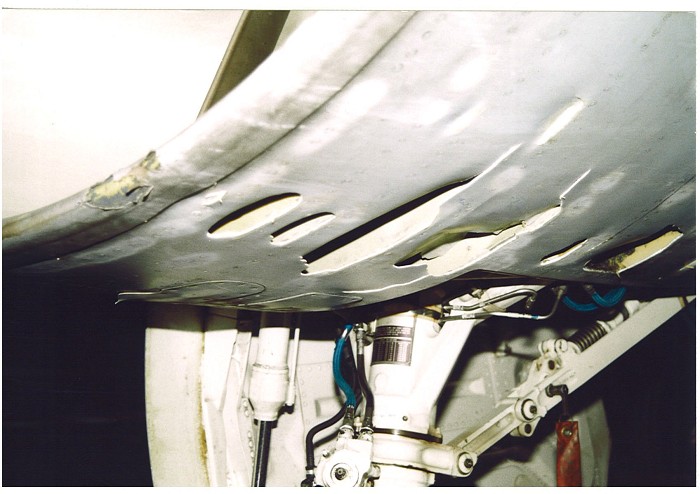
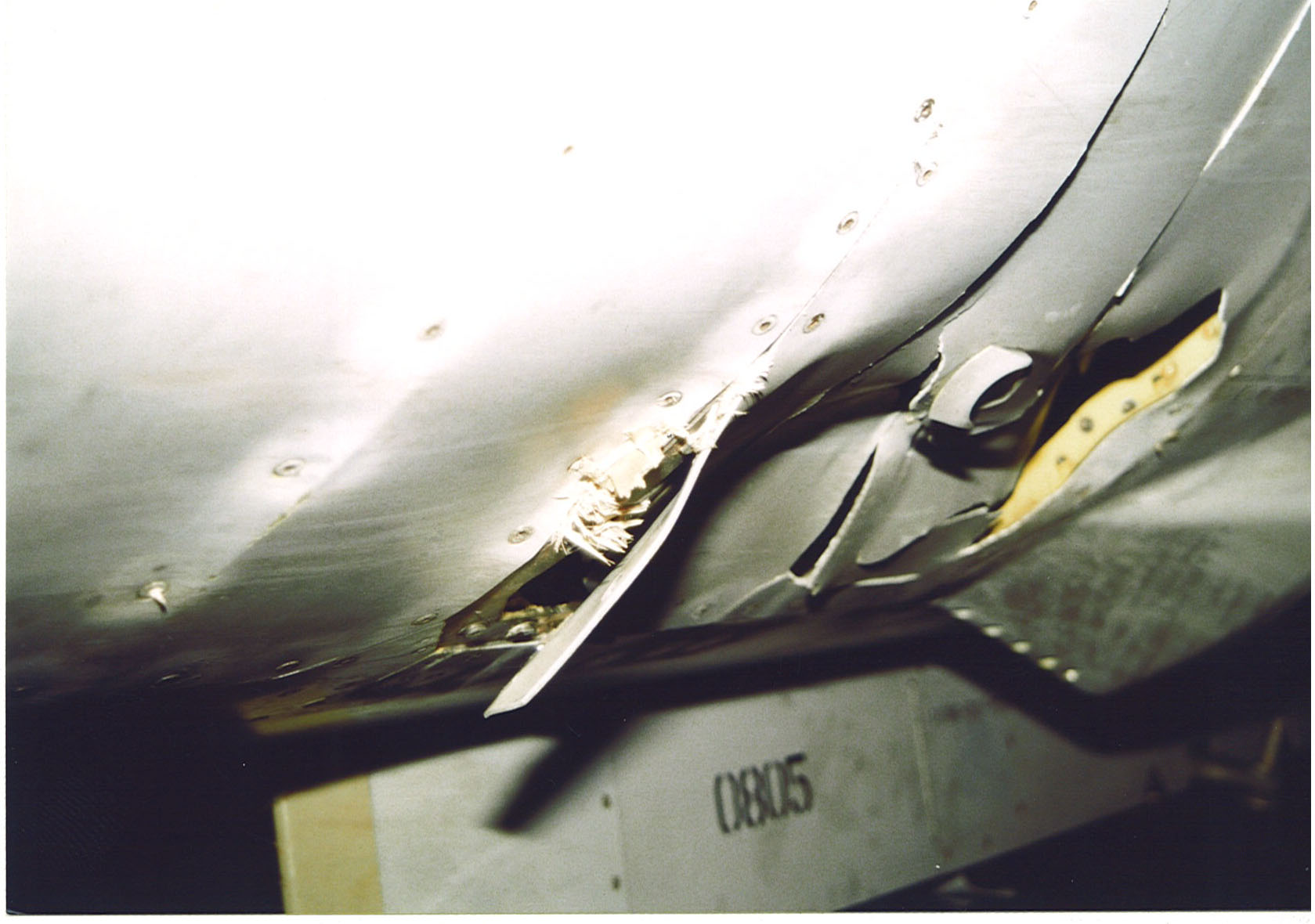
In combat environments, time, tools, and materials are limited — but airpower must be restored fast. TheAircraft Battle Damage Repair (ABDR) course prepares military personnel to perform critical field-levelrepairs on damaged aircraft, restoring functionality and flight capability under pressure.
This five-day program trains participants to assess, plan, and execute temporary repairs on structural, electrical, and fluid systems—even in austere conditions. Rather than aiming for full restoration, the focus is on rapid, safe, and mission-ready repairs that return the aircraft to service for continued operations or return to base.
Participants will work hands-on with composite and metallic structures, cable splicing, and tubing repairsusing substitute materials, ABDR toolkits, and field-adapted techniques.
Core topics include:
▪ Structural damage assessment and reinforcement
▪ Temporary sealing, patching, and bonding
▪ Swaging and splicing of mission-critical wiring and tubing
▪ Tactical improvisation with limited resources
▪ Operational safety, documentation, and coordination
Training scenarios are modeled after real-world damage profiles, requiring quick judgment, teamwork, and technical accuracy. Throughout the course, participants develop the capability to maintain combateffectiveness, even in degraded conditions. This course focuses on operational readiness, field improvisation, and mission continuity, enabling maintenance teams to respond confidently when everyminute—and every aircraft—counts.
This five-day program trains participants to assess, plan, and execute temporary repairs on structural, electrical, and fluid systems—even in austere conditions. Rather than aiming for full restoration, the focus is on rapid, safe, and mission-ready repairs that return the aircraft to service for continued operations or return to base.
Participants will work hands-on with composite and metallic structures, cable splicing, and tubing repairsusing substitute materials, ABDR toolkits, and field-adapted techniques.
Core topics include:
▪ Structural damage assessment and reinforcement
▪ Temporary sealing, patching, and bonding
▪ Swaging and splicing of mission-critical wiring and tubing
▪ Tactical improvisation with limited resources
▪ Operational safety, documentation, and coordination
Training scenarios are modeled after real-world damage profiles, requiring quick judgment, teamwork, and technical accuracy. Throughout the course, participants develop the capability to maintain combateffectiveness, even in degraded conditions. This course focuses on operational readiness, field improvisation, and mission continuity, enabling maintenance teams to respond confidently when everyminute—and every aircraft—counts.
Course Includes
* 30 Practical Hours
* 10 Theoretical Hours
* Theoretical Assignments
* Practical Assessments
* Access to the ACRATS E-learning Platform
* Certificate of Achievement
* 10 Theoretical Hours
* Theoretical Assignments
* Practical Assessments
* Access to the ACRATS E-learning Platform
* Certificate of Achievement
Selection Learning Goals
* Perform a complete airframe inspection and evaluate structural damage using recognized ABDR field techniques. Use real tools, materials, and documentation to carry out effective, consistent repairs in austere conditions
* Identify the operational impact of damage and determine the need for temporary repair actions
* Prioritize repairs based on mission requirements, safety considerations, and available resources
* Apply temporary composite repair methods such as patching, mechanical attachment, and surface sealing
* Execute field-level metallic repairs using drilling, fastening, and the application of external doublers and patches
* Work safely and accurately with both composite and metallic substrates using field-adapted tools and techniques
* Inspect and assess damage to aircraft tubing systems (hydraulic, pneumatic, fuel) and select appropriate repair strategies
* Perform swaging operations and install B-nut fittings using approved field procedures
* Restore system integrity using temporary sealing and isolation techniques for ducts and fluid lines
* Splice shielded electrical cables and verify circuit continuity using basic diagnostic tools
* Remove and replace cable sections while maintaining correct routing, shielding, and protection
* Ensure compliance with field wiring standards under time and access constraints
* Identify the operational impact of damage and determine the need for temporary repair actions
* Prioritize repairs based on mission requirements, safety considerations, and available resources
* Apply temporary composite repair methods such as patching, mechanical attachment, and surface sealing
* Execute field-level metallic repairs using drilling, fastening, and the application of external doublers and patches
* Work safely and accurately with both composite and metallic substrates using field-adapted tools and techniques
* Inspect and assess damage to aircraft tubing systems (hydraulic, pneumatic, fuel) and select appropriate repair strategies
* Perform swaging operations and install B-nut fittings using approved field procedures
* Restore system integrity using temporary sealing and isolation techniques for ducts and fluid lines
* Splice shielded electrical cables and verify circuit continuity using basic diagnostic tools
* Remove and replace cable sections while maintaining correct routing, shielding, and protection
* Ensure compliance with field wiring standards under time and access constraints
Additional Information
Standards
Meets OEM Standards
Modules & Topics
| Module & Hours | Title & Description |
|---|---|
|
Module 0
Class: 0.50h
|
Course Introduction
Level:
1
|
|
Module 1
Class: 0.50h
|
Introduction to ABDA
Level:
1
This module provides an introduction to Aircraft Battle Damage Repair (ABDR), focusing on its core purpose, operational relevance, and guiding principles in military aviation. Participants will learn how to effectively navigate and interpret the ABDR manual, apply standard repair procedures, and recognize essential warnings, cautions, and notes. The module also outlines the structure and responsibilities of ABDR teams and examines the nature of combat threats that influence repair decisions, prioritization, and overall mission readiness.
Topics:
•
* 1. Field Repair Philosophy
•
* 2. How to Use the ABDR Manual
•
* 3. Standards and Practices
•
a. Warnings, Cautions, and Notes
•
* 4. Tasks and Responsibilities
•
* 5. Combat Threats and Scenarios
•
* 6. Mission Capabilities and Field Limitations
|
|
Module 2
Class: 1.00h
|
Materials, Tooling and Logistics
Level:
1
This module focuses on the selection, substitution, and use of tools, materials, and logistical resources during Aircraft Battle Damage Repair (ABDR) operations. Participants will learn to identify specialized tools for field repairs, evaluate the feasibility of substitute materials and parts, and implement alternative repair strategies when standard resources are unavailable. The module also introduces the contents and application of Battle Damage Repair Kits, along with expendable supplies that support temporary and semi-permanent repairs. Emphasis is placed on operational flexibility, improvisation, and effective field-level decision-making in high-pressure and time-critical environments.
Topics:
•
* 1. Battle Damage Repair Kits
•
a. Typical Contents and Use
•
b. Field Use, Packaging and Organization
•
c. Packaging and Transport Considerations
•
d. Deployment Considerations
•
* 2. Special Tools
•
a. Introduction
•
b. Fuel Lines and Hoses
•
c. Fuel Cell
•
* 3. Substitute Materials and Parts
•
a. Assessment Procedure
•
b. Combat Damage Criteria
•
c. Cannibalization Criteria
•
* 4. Expendable Supplies and Materials
•
a. Common Field Consumables
•
b. Supply Chain Constraints
•
c. Inventory and Resupply Practices
|
|
Module 3
Class: 1.00h
|
Airframe Inspection and Damage Assessment
Level:
1
This module focuses on the inspection and assessment of airframe damage within the context of Aircraft Battle Damage Repair (ABDR). Participants will learn to identify different types of structural damage in both metallic and composite materials, evaluate the severity of damage, and determine the appropriate repair actions. The module covers the use of deferrability tools such as limit and deferment tables and introduces structural material charts to support accurate material selection. Participants will also gain practical knowledge of temporary and semi-permanent repair techniques used to quickly restore mission capability while maintaining safety and operational effectiveness.
Topics:
•
* 1. Damage Types (Metallic and Composite)
•
* 2. Airframe Battle Damage Inspection
•
* 3. Damage Evaluation
•
* 4. Inspection Tooling
•
* 5. Deferrability Assessment
•
* 6. Limit and Deferment Tables
•
* 7. Structural Material Charts
•
* 8. Temporary and Semi-Permanent Repairs
|
|
Module 4
Class: 1.50h
|
Composite Structure Repair
Level:
1
This module introduces participants to field-level repair techniques for composite aircraft structures within an Aircraft Battle Damage Repair (ABDR) environment. It covers common damage types such as delamination and impact and explains how to assess them using visual inspection and tap testing methods. Participants will explore temporary sealing techniques and perform basic composite repairs using wet layup and field curing processes. The module also introduces sandwich panel repair concepts and emphasizes the safe handling, preparation, and disposal of composite materials under field conditions to ensure both safety and repair effectiveness.
Topics:
•
* 1. Delamination and Impact Damage
•
* 2. Visual and Tap Test Inspection
•
* 3. Temporary Sealing
•
* 4. Wet Layup and Field Curing
•
* 5. Sandwich Panel Repair
•
* 6. Bolted Repair
•
a. Drilling and Fastening
•
* 7. Machining and Cutting
•
* 8. Composite Material Handling
•
* 9. Field Tool Use
|
|
Module 5
Class: 1.50h
|
Metallic Structure Repair
Level:
1
This module provides participants with the essential skills required to perform metallic structure repairs in field conditions. It covers drilling and fastening techniques specific to Aircraft Battle Damage Repair (ABDR), including the application of external patches, doublers, and splice plates. Participants will learn to install and remove temporary fasteners and perform basic riveting operations using field-appropriate tools and methods. Emphasis is placed on practicality, speed, and mission readiness while maintaining the structural integrity and airworthiness of the repaired components.
Topics:
•
* 1. Drilling and Fastening
•
* 2. External Patches
•
* 3. Doublers and Splice Plates
•
* 4. Machining and Cutting
•
* 5. Temporary Fasteners
•
* 6. Rivet Techniques
•
* 7. Field Tool Use
|
|
Module 6
Class: 1.00h
|
Aircraft Systems and Repair
Level:
1
This module covers the inspection, evaluation, and repair of various aircraft systems affected by battle damage. Participants will examine six key systems: landing gear, rotor, drive, hydraulic, electrical, and fuel systems. Each system is analyzed in terms of its critical components, common damage scenarios, and field-repair considerations. The module emphasizes the application of Aircraft Battle Damage Repair (ABDR) techniques to rapidly restore essential functionality under operational pressure and with limited resources. Participants will learn to assess system serviceability, apply temporary or semi-permanent repairs, and determine when component cannibalization is necessary to maintain mission capability. Throughout the module, strong emphasis is placed on safe work practices, understanding operational limits, and performing functional testing to ensure the reliability and safety of repaired systems.
Topics:
•
* 1. Landing Gear System
•
a. Assessment Procedures
•
b. Serviceability Criteria
•
* 2. Rotor System
•
a. Main Rotor Blades
•
b. Assessment Procedure
•
* 3. Drive System
•
a. Assessment Procedure
•
b. Combat Damage Criteria
•
c. Cannibalization Criteria
•
* 4. Power Plant Installation System
•
a. System Overview
•
b. Damage Types and Repair Considerations
•
* 5. Pneudraulic Systems
•
a. System Overview
•
b. Hydraulic Tubing
•
* 6. Flight Control System
•
a. Control Rods
•
b. Mechanical Linkages
•
* 7. Utility Systems
•
a. Basic Functions and Field Recovery
•
* 8. Environmental Control System
•
a. Ducting
•
b. Bleed Air Lines
•
c. Refrigerant Lines
•
* 9. Auxiliary Power Unit
•
a. Purpose and Repair Access
•
* 10. Electrical System
•
a. Assessment Procedure
•
b. System Description and Location
•
c. Repair Procedure
•
* 11. Fuel System
•
a. Introduction
•
b. Fuel Lines and Hoses
•
c. Fuel Cell
|
|
Module 7
Class: 1.00h
|
Avionics and Wiring Repair
Level:
1
This module provides participants with the knowledge and skills required to assess and repair avionics systems and electrical wiring affected by battle damage. It covers common damage indicators, inspection procedures, and fault isolation techniques applicable in operational and field environments. Special attention is given to standard wiring practices, including splicing, crimping, connector inspection, and shielding verification — all adapted for field-level application. Participants will also explore combat damage criteria and learn how to apply cannibalization strategies when critical components are unavailable. By the end of the module, participants will be able to safely and effectively perform temporary repairs that restore essential avionics and electrical functionality under time-critical operational conditions.
Topics:
•
* 1. Avionics Systems
•
* 2. Assessment Procedure
•
a. Visual Inspection of Wiring and Connectors
•
b. Functional Testing and Troubleshooting
•
c. Continuity and Resistance Checks
•
* 3. Combat Damage Criteria
•
a. Burned or Severed Wiring
•
b. Damaged Connectors or Pins
•
c. Signal Loss or Intermittent Function
•
* 4. Cannibalization Criteria
•
a. Replacement from Non-Essential Systems
•
b. Compatibility Verification
•
c. Documentation and Marking
•
* 5. Standard Practices
•
a. Wire Splicing Techniques
•
i. Inline Splice
•
ii. Staggered Splice
•
iii. Shielded Cable Splicing
•
b. Connector Inspection and Cleaning
•
i. Pin/Socket Condition
•
ii. Corrosion and Contamination
•
iii. Field Cleaning Methods
•
c. Wire Termination and Crimping
•
i. Use of Proper Crimp Tools
•
ii. Crimp Inspection Criteria
•
d. Heat Shrink and Insulation
•
i. Sealing and Strain Relief
•
ii. Dual-Wall Tubing for Environmental Protection
•
e. Shielding and Grounding Checks
•
i. Shield Continuity
•
ii. Bonding Resistance
•
f. Cable Routing and Support
•
i. Avoiding Sharp Bends and Chafing
•
ii. Temporary Lacing and Clamping
•
g. Field Continuity Testing
•
i. Multimeter Use
•
ii. Identifying Shorts and Opens
•
h. Basic Fault Isolation Methods
•
i. Elimination Steps
•
ii. Substitution and Bypass Techniques
|
|
Module 8
Class: 1.00h
|
Swaging and Line Repairs
Level:
1
This module focuses on swaging operations and field-level repairs involving control cables and fluid lines. Participants will learn how to perform safe and reliable swaging on flight control cables using approved tools and fittings, including the correct installation of cable ends and proper tension adjustment. The module also covers swaging applications on hydraulic and fuel lines, including tube preparation, fitting installation, and leak testing procedures. Emphasis is placed on precision, safety, and the effective restoration of functionality under field conditions. Participants will gain hands-on experience in pull testing, routing standards, and understanding the operational limitations of swaged connections in field repair environments.
Topics:
•
* 1. Control Cable Systems
•
a. Swaging Tools and Equipment
•
b. Swaging Procedures
•
c. Cable End Terminals
•
d. Safety Cable Installation
•
e. Pull Testing
•
f. Cable Routing and Support
•
g. Cable Tensioning and Adjustment
•
* 2. Tubing and Fluid Lines
•
a. Tube Preparation and Inspection
•
b. Swage Fittings and Ferrules
•
c. Fitting Installation Procedures
•
d. Leak Testing
•
e. Handling of Hydraulic and Fuel Lines
|
|
Module 9
Practical: 30.00h
|
Practical Exercises
Level:
3
This module provides participants with hands-on experience in executing core Aircraft Battle Damage Repair (ABDR) procedures under simulated field conditions. Each practical exercise is designed to reinforce key repair techniques covered in previous modules and to build participants’ confidence in applying them independently. Using real tools, materials, and repair scenarios, participants will perform composite and metallic structure repairs, carry out basic wiring repairs, and complete swaging operations involving both control cables and tubing. The focus is on practical skill application, precision, and adherence to safe working practices in time-critical and resource-limited environments.
Topics:
•
* 1. Airframe Assessment Procedures & Structural Damage Evaluation
•
* 2. ABDR Composite Repairs
•
* 3. ABDR Metallic Repairs
•
* 4. Tubing Repair: Damage Assessment & Evaluation
•
* 5. Tubing Repair: Swage Fitting & B-Nut Fitting Techniques
•
* 6. Duct Repair: Right Duct Patch Repair
•
* 7. Wiring Repair: Shielded Cable Splice Repair
•
* 8. Wiring Repair: Shielded Cable Repair Segments
|
|
Module 10
Class: 1.00h
|
Written Test
The written test shall contain a minimum of 15 multiple choice questions.
|
Module 0
Class: 0.50h
Course Introduction
Level: 1
Module 1
Class: 0.50h
Introduction to ABDA
Level: 1This module provides an introduction to Aircraft Battle Damage Repair (ABDR), focusing on its core purpose, operational relevance, and guiding principles in military aviation. Participants will learn how to effectively navigate and interpret the ABDR manual, apply standard repair procedures, and recognize essential warnings, cautions, and notes. The module also outlines the structure and responsibilities of ABDR teams and examines the nature of combat threats that influence repair decisions, prioritization, and overall mission readiness.
Topics:
•
* 1. Field Repair Philosophy
•
* 2. How to Use the ABDR Manual
•
* 3. Standards and Practices
•
a. Warnings, Cautions, and Notes
•
* 4. Tasks and Responsibilities
•
* 5. Combat Threats and Scenarios
•
* 6. Mission Capabilities and Field Limitations
Module 2
Class: 1.00h
Materials, Tooling and Logistics
Level: 1This module focuses on the selection, substitution, and use of tools, materials, and logistical resources during Aircraft Battle Damage Repair (ABDR) operations. Participants will learn to identify specialized tools for field repairs, evaluate the feasibility of substitute materials and parts, and implement alternative repair strategies when standard resources are unavailable. The module also introduces the contents and application of Battle Damage Repair Kits, along with expendable supplies that support temporary and semi-permanent repairs. Emphasis is placed on operational flexibility, improvisation, and effective field-level decision-making in high-pressure and time-critical environments.
Topics:
•
* 1. Battle Damage Repair Kits
•
a. Typical Contents and Use
•
b. Field Use, Packaging and Organization
•
c. Packaging and Transport Considerations
•
d. Deployment Considerations
•
* 2. Special Tools
•
a. Introduction
•
b. Fuel Lines and Hoses
•
c. Fuel Cell
•
* 3. Substitute Materials and Parts
•
a. Assessment Procedure
•
b. Combat Damage Criteria
•
c. Cannibalization Criteria
•
* 4. Expendable Supplies and Materials
•
a. Common Field Consumables
•
b. Supply Chain Constraints
•
c. Inventory and Resupply Practices
Module 3
Class: 1.00h
Airframe Inspection and Damage Assessment
Level: 1This module focuses on the inspection and assessment of airframe damage within the context of Aircraft Battle Damage Repair (ABDR). Participants will learn to identify different types of structural damage in both metallic and composite materials, evaluate the severity of damage, and determine the appropriate repair actions. The module covers the use of deferrability tools such as limit and deferment tables and introduces structural material charts to support accurate material selection. Participants will also gain practical knowledge of temporary and semi-permanent repair techniques used to quickly restore mission capability while maintaining safety and operational effectiveness.
Topics:
•
* 1. Damage Types (Metallic and Composite)
•
* 2. Airframe Battle Damage Inspection
•
* 3. Damage Evaluation
•
* 4. Inspection Tooling
•
* 5. Deferrability Assessment
•
* 6. Limit and Deferment Tables
•
* 7. Structural Material Charts
•
* 8. Temporary and Semi-Permanent Repairs
Module 4
Class: 1.50h
Composite Structure Repair
Level: 1This module introduces participants to field-level repair techniques for composite aircraft structures within an Aircraft Battle Damage Repair (ABDR) environment. It covers common damage types such as delamination and impact and explains how to assess them using visual inspection and tap testing methods. Participants will explore temporary sealing techniques and perform basic composite repairs using wet layup and field curing processes. The module also introduces sandwich panel repair concepts and emphasizes the safe handling, preparation, and disposal of composite materials under field conditions to ensure both safety and repair effectiveness.
Topics:
•
* 1. Delamination and Impact Damage
•
* 2. Visual and Tap Test Inspection
•
* 3. Temporary Sealing
•
* 4. Wet Layup and Field Curing
•
* 5. Sandwich Panel Repair
•
* 6. Bolted Repair
•
a. Drilling and Fastening
•
* 7. Machining and Cutting
•
* 8. Composite Material Handling
•
* 9. Field Tool Use
Module 5
Class: 1.50h
Metallic Structure Repair
Level: 1This module provides participants with the essential skills required to perform metallic structure repairs in field conditions. It covers drilling and fastening techniques specific to Aircraft Battle Damage Repair (ABDR), including the application of external patches, doublers, and splice plates. Participants will learn to install and remove temporary fasteners and perform basic riveting operations using field-appropriate tools and methods. Emphasis is placed on practicality, speed, and mission readiness while maintaining the structural integrity and airworthiness of the repaired components.
Topics:
•
* 1. Drilling and Fastening
•
* 2. External Patches
•
* 3. Doublers and Splice Plates
•
* 4. Machining and Cutting
•
* 5. Temporary Fasteners
•
* 6. Rivet Techniques
•
* 7. Field Tool Use
Module 6
Class: 1.00h
Aircraft Systems and Repair
Level: 1This module covers the inspection, evaluation, and repair of various aircraft systems affected by battle damage. Participants will examine six key systems: landing gear, rotor, drive, hydraulic, electrical, and fuel systems. Each system is analyzed in terms of its critical components, common damage scenarios, and field-repair considerations. The module emphasizes the application of Aircraft Battle Damage Repair (ABDR) techniques to rapidly restore essential functionality under operational pressure and with limited resources. Participants will learn to assess system serviceability, apply temporary or semi-permanent repairs, and determine when component cannibalization is necessary to maintain mission capability. Throughout the module, strong emphasis is placed on safe work practices, understanding operational limits, and performing functional testing to ensure the reliability and safety of repaired systems.
Topics:
•
* 1. Landing Gear System
•
a. Assessment Procedures
•
b. Serviceability Criteria
•
* 2. Rotor System
•
a. Main Rotor Blades
•
b. Assessment Procedure
•
* 3. Drive System
•
a. Assessment Procedure
•
b. Combat Damage Criteria
•
c. Cannibalization Criteria
•
* 4. Power Plant Installation System
•
a. System Overview
•
b. Damage Types and Repair Considerations
•
* 5. Pneudraulic Systems
•
a. System Overview
•
b. Hydraulic Tubing
•
* 6. Flight Control System
•
a. Control Rods
•
b. Mechanical Linkages
•
* 7. Utility Systems
•
a. Basic Functions and Field Recovery
•
* 8. Environmental Control System
•
a. Ducting
•
b. Bleed Air Lines
•
c. Refrigerant Lines
•
* 9. Auxiliary Power Unit
•
a. Purpose and Repair Access
•
* 10. Electrical System
•
a. Assessment Procedure
•
b. System Description and Location
•
c. Repair Procedure
•
* 11. Fuel System
•
a. Introduction
•
b. Fuel Lines and Hoses
•
c. Fuel Cell
Module 7
Class: 1.00h
Avionics and Wiring Repair
Level: 1This module provides participants with the knowledge and skills required to assess and repair avionics systems and electrical wiring affected by battle damage. It covers common damage indicators, inspection procedures, and fault isolation techniques applicable in operational and field environments. Special attention is given to standard wiring practices, including splicing, crimping, connector inspection, and shielding verification — all adapted for field-level application. Participants will also explore combat damage criteria and learn how to apply cannibalization strategies when critical components are unavailable. By the end of the module, participants will be able to safely and effectively perform temporary repairs that restore essential avionics and electrical functionality under time-critical operational conditions.
Topics:
•
* 1. Avionics Systems
•
* 2. Assessment Procedure
•
a. Visual Inspection of Wiring and Connectors
•
b. Functional Testing and Troubleshooting
•
c. Continuity and Resistance Checks
•
* 3. Combat Damage Criteria
•
a. Burned or Severed Wiring
•
b. Damaged Connectors or Pins
•
c. Signal Loss or Intermittent Function
•
* 4. Cannibalization Criteria
•
a. Replacement from Non-Essential Systems
•
b. Compatibility Verification
•
c. Documentation and Marking
•
* 5. Standard Practices
•
a. Wire Splicing Techniques
•
i. Inline Splice
•
ii. Staggered Splice
•
iii. Shielded Cable Splicing
•
b. Connector Inspection and Cleaning
•
i. Pin/Socket Condition
•
ii. Corrosion and Contamination
•
iii. Field Cleaning Methods
•
c. Wire Termination and Crimping
•
i. Use of Proper Crimp Tools
•
ii. Crimp Inspection Criteria
•
d. Heat Shrink and Insulation
•
i. Sealing and Strain Relief
•
ii. Dual-Wall Tubing for Environmental Protection
•
e. Shielding and Grounding Checks
•
i. Shield Continuity
•
ii. Bonding Resistance
•
f. Cable Routing and Support
•
i. Avoiding Sharp Bends and Chafing
•
ii. Temporary Lacing and Clamping
•
g. Field Continuity Testing
•
i. Multimeter Use
•
ii. Identifying Shorts and Opens
•
h. Basic Fault Isolation Methods
•
i. Elimination Steps
•
ii. Substitution and Bypass Techniques
Module 8
Class: 1.00h
Swaging and Line Repairs
Level: 1This module focuses on swaging operations and field-level repairs involving control cables and fluid lines. Participants will learn how to perform safe and reliable swaging on flight control cables using approved tools and fittings, including the correct installation of cable ends and proper tension adjustment. The module also covers swaging applications on hydraulic and fuel lines, including tube preparation, fitting installation, and leak testing procedures. Emphasis is placed on precision, safety, and the effective restoration of functionality under field conditions. Participants will gain hands-on experience in pull testing, routing standards, and understanding the operational limitations of swaged connections in field repair environments.
Topics:
•
* 1. Control Cable Systems
•
a. Swaging Tools and Equipment
•
b. Swaging Procedures
•
c. Cable End Terminals
•
d. Safety Cable Installation
•
e. Pull Testing
•
f. Cable Routing and Support
•
g. Cable Tensioning and Adjustment
•
* 2. Tubing and Fluid Lines
•
a. Tube Preparation and Inspection
•
b. Swage Fittings and Ferrules
•
c. Fitting Installation Procedures
•
d. Leak Testing
•
e. Handling of Hydraulic and Fuel Lines
Module 9
Practical: 30.00h
Practical Exercises
Level: 3This module provides participants with hands-on experience in executing core Aircraft Battle Damage Repair (ABDR) procedures under simulated field conditions. Each practical exercise is designed to reinforce key repair techniques covered in previous modules and to build participants’ confidence in applying them independently. Using real tools, materials, and repair scenarios, participants will perform composite and metallic structure repairs, carry out basic wiring repairs, and complete swaging operations involving both control cables and tubing. The focus is on practical skill application, precision, and adherence to safe working practices in time-critical and resource-limited environments.
Topics:
•
* 1. Airframe Assessment Procedures & Structural Damage Evaluation
•
* 2. ABDR Composite Repairs
•
* 3. ABDR Metallic Repairs
•
* 4. Tubing Repair: Damage Assessment & Evaluation
•
* 5. Tubing Repair: Swage Fitting & B-Nut Fitting Techniques
•
* 6. Duct Repair: Right Duct Patch Repair
•
* 7. Wiring Repair: Shielded Cable Splice Repair
•
* 8. Wiring Repair: Shielded Cable Repair Segments
Module 10
Class: 1.00h
Written Test
The written test shall contain a minimum of 15 multiple choice questions.
Top companies offer this course to their employees
This course was selected for our collection of top-rated courses trusted by businesses worldwide. Learn more